
Functional & Specialty Testing · Bonita Springs, Fl
Functional & Specialty Testing in Bonita Springs, FL
Physician-Interpreted Testing That Tells You What Standard Labs Miss
Standard blood panels tell you whether you are sick. Specialty and functional testing tells you why you feel the way you do — identifying hormonal metabolism patterns, nutrient deficiencies at the cellular level, genetic predispositions, toxic exposures, and biological aging markers that conventional medicine doesn't evaluate. Dr. Katherine Ortiz at DNA Wellness and Longevity Institute in Bonita Springs uses an advanced panel of specialty tests as the foundation of every personalized protocol she builds — because treatment without objective data is guesswork, and guesswork is not functional medicine.
Why patients choose us
Physician-Interpreted
Every test result reviewed and explained by Dr. Katherine Ortiz
Root-Cause Driven
Testing chosen to answer your specific clinical questions not a generic pane
SW Florida
Serving Bonita Springs, Naples, Estero & Fort Myers


Why Specialty Testing Matters
What Functional Testing Reveals That Standard Labs Miss
Conventional medicine uses laboratory testing primarily to diagnose disease — to confirm or rule out pathology at a threshold that defines illness. Reference ranges are set at population extremes: a result is "abnormal" only when it falls in the bottom or top 2.5% of the population. A patient whose thyroid is functioning at the lower edge of "normal," whose intracellular magnesium is marginally depleted, whose cortisol rhythm is inverted, or whose estrogen metabolites are processing through a high-risk pathway will receive a normal lab result — and be told nothing is wrong — even as they experience fatigue, brain fog, mood instability, or weight gain that has a measurable, addressable biological driver.
Functional and specialty testing closes this gap. It evaluates not just whether a biomarker is present but how it is metabolized, expressed, and regulated — providing a biological picture of function rather than simply a snapshot of levels. DUTCH hormone testing, for example, does not simply measure estradiol — it maps the entire estrogen metabolite pathway, identifying whether estrogen is processing through protective or carcinogenic routes. Micronutrient testing measures intracellular vitamin and mineral function, not just serum levels, which is the difference between knowing you have enough B12 in your blood and knowing whether your cells are actually using it.
At DNA Wellness, Dr. Ortiz selects testing based on the clinical questions your history and symptoms raise — not a standard panel applied to every patient. The test results inform every treatment decision: which hormones to address, at what dose, through which delivery method; which nutrients to replenish; which genetic variants affect how you metabolize medications, hormones, and nutrients; and what your biological age actually is compared to your chronological one.
Our Testing Services
Specialty Testing Available at DNA Wellness
DUTCH Complete — Comprehensive Hormone & Metabolism Testing
The DUTCH Complete (Dried Urine Test for Comprehensive Hormones) is the most clinically comprehensive hormone assessment available — and the most important test Dr. Ortiz uses for patients with hormonal concerns. Unlike standard blood tests that measure hormone levels at a single point in time, the DUTCH test measures urinary hormone metabolites across a full day's sample, providing a complete picture of hormone production, metabolism, and excretion.
What DUTCH reveals that blood tests cannot: cortisol rhythm (not just cortisol level — whether cortisol is releasing in the right pattern throughout the day, which is critical for energy, sleep, and stress response); estrogen metabolism pathways (whether estradiol is processing through the 2-OH route, which is protective, or the 16-OH or 4-OH routes, which are associated with cancer risk); progesterone metabolites; testosterone and its metabolites; melatonin precursors; DHEA and its downstream hormones; and organic acids related to vitamin B12, B6, and glutathione status.
Who benefits most: Women experiencing perimenopausal or menopausal symptoms; patients on hormone therapy who want to confirm they are metabolizing their hormones safely; anyone with suspected adrenal dysfunction (fatigue, disrupted sleep, anxiety); patients with a personal or family history of hormone-sensitive cancers; and any patient whose standard hormone blood panel has come back "normal" but who continues to experience hormonal symptoms.
Sample type: Urine (collected at home across one day using provided collection materials)
Genetic Testing — Variants That Shape Your Health & Treatment Response
Genetic testing at DNA Wellness examines specific gene variants that have direct clinical relevance to hormone metabolism, nutrient processing, medication response, and disease risk — not broad ancestry-focused consumer testing, but targeted clinical genetic panels that inform treatment decisions.
Key variants assessed include: MTHFR (methylenetetrahydrofolate reductase) — variants in this gene impair the methylation cycle, affecting B vitamin processing, homocysteine metabolism, cardiovascular risk, and mood regulation; patients with MTHFR variants need methylated B vitamins rather than standard supplements. APOE — genetic variants that influence Alzheimer's risk, cardiovascular risk, and fat metabolism; APOE4 carriers have meaningfully different risk profiles that inform longevity and neuroprotection strategies. Pharmacogenomic variants — genes that determine how quickly or slowly you metabolize specific medications, hormones, and nutrients through CYP450 enzymes, directly affecting appropriate drug selection and dosing.
For patients interested in the MOTS-C peptide — which acts through mitochondrial DNA — understanding your genetic metabolic profile provides important context for how profoundly mitochondrial optimization can shift your metabolic function.
Who benefits most: Patients with unexplained symptoms despite normal standard labs; those planning hormone therapy or taking medications whose response varies significantly between individuals; patients with a family history of cardiovascular disease, Alzheimer's, or cancer; anyone interested in precision longevity strategy.
Sample type: Buccal swab (cheek swab, done in office or at home)
Standard Hormone Panels — Blood, Saliva & Urine
Beyond the comprehensive DUTCH test, Dr. Ortiz uses targeted blood hormone panels for monitoring patients on active hormone therapy and for establishing clinical baselines before initiating treatment. These panels include sex hormones (total and free testosterone, estradiol, progesterone, SHBG, DHEA-S), thyroid (TSH, free T3, free T4, reverse T3, thyroid antibodies), adrenal (cortisol, ACTH), pituitary (LH, FSH, IGF-1), and metabolic hormones (fasting insulin, HOMA-IR) depending on the clinical question.
Saliva testing is used for specific applications — particularly salivary cortisol mapping (4-point cortisol testing across the day, distinct from the 24-hour DUTCH) — where blood draws cannot capture the dynamic rhythm being evaluated.
Who benefits most: All patients beginning hormone therapy; patients on TRT or BHRT who need monitoring; patients with suspected thyroid or adrenal dysfunction; patients whose symptoms suggest hormonal involvement but whose standard TSH or total testosterone panel has come back "normal."
Heavy Metal & Toxic Element Testing
Chronic low-level heavy metal exposure — from environmental sources, dental amalgam, seafood consumption, occupational exposure, or older plumbing — produces a gradual accumulation of lead, mercury, arsenic, cadmium, and other toxic elements that standard medicine rarely screens for. At the levels that produce symptoms, these exposures are typically below the acute toxicity thresholds that conventional emergency medicine tests — but they are high enough to disrupt mitochondrial function, thyroid and adrenal activity, gut microbiome balance, and neurological health in ways that can underlie fatigue, brain fog, mood disturbance, and weight gain that does not respond to conventional treatment.
DNA Wellness offers both blood and urine heavy metal panels. Urine testing (often with a provocation protocol using a chelating agent) provides the most comprehensive assessment of stored body burden — not just recent acute exposure. Results inform targeted detoxification protocols using appropriately timed nutritional and supplement interventions.
Who benefits most: Patients with unexplained neurological symptoms, fatigue, or brain fog; those with significant seafood consumption history; patients who had dental amalgams (mercury fillings) for many years; anyone who has worked in manufacturing, construction, or other environments with chemical exposure.
Intracellular Micronutrient Testing — What's Actually Working Inside Your Cells
Standard blood serum levels of vitamins and minerals tell you how much of a nutrient is circulating in your blood — not whether your cells are actually using it. Intracellular micronutrient testing (offered through SpectraCell or equivalent panels) measures vitamin and mineral function at the cellular level, inside white blood cells, over a 4–6 month window. This reveals functional deficiencies that serum tests miss: a patient can have normal serum B12 while their cells are not effectively utilizing it due to methylation impairment or absorption dysfunction.
Nutrients assessed include all fat-soluble and water-soluble vitamins, minerals (magnesium, zinc, copper, selenium, chromium), amino acids, antioxidants (CoQ10, glutathione, alpha-lipoic acid), and metabolites. The results directly inform a precision supplementation protocol — not a generic multivitamin, but a targeted replenishment of specifically confirmed cellular deficiencies.
Who benefits most: Patients with chronic fatigue, immune dysfunction, mood disorders, or cardiovascular risk factors; athletes with unexplained performance plateaus; patients on medications that deplete specific nutrients (statins deplete CoQ10, metformin depletes B12); anyone who wants a precise nutritional baseline rather than supplementing based on assumption.
Food Sensitivity & Candida Testing — Identifying Inflammatory Triggers
Food sensitivity testing (IgG-mediated) identifies delayed immune reactions to specific foods — reactions that occur hours to days after consumption and produce chronic low-grade inflammation, digestive disruption, skin changes, joint pain, brain fog, and fatigue rather than the immediate IgE-mediated reactions of true food allergy. Because the reaction is delayed and not immediately correlated with the food trigger, food sensitivities often go unrecognized for years while driving systemic inflammation.
Candida testing identifies overgrowth of Candida albicans in the gut — a common consequence of antibiotic use, high-sugar diets, and immune suppression that produces a characteristic cluster of symptoms: fatigue, brain fog, recurrent yeast infections, digestive bloat, sugar cravings, and mood instability. Identifying and addressing Candida overgrowth is frequently a missing piece in patients whose other test results and treatments have not produced the expected improvement.
Who benefits most: Patients with chronic digestive symptoms (IBS, bloating, alternating bowel habits); those with unexplained skin conditions, joint pain, or fatigue; patients with a history of frequent antibiotic use; those with sugar cravings and recurrent yeast infections; patients with mood instability that has not responded to standard interventions.
Neurotransmitter Testing — The Brain Chemistry Behind Mood, Sleep & Energy
Neurotransmitter testing evaluates urinary levels of serotonin, dopamine, norepinephrine, epinephrine, GABA, and glutamate — providing insight into the chemical signaling that drives mood, motivation, anxiety, sleep quality, and cognitive function. Imbalances in neurotransmitter production and metabolism are common contributors to depression, anxiety, insomnia, fatigue, and attention difficulties — and they are frequently driven by addressable upstream factors: nutrient deficiencies (tryptophan, tyrosine, B6, magnesium), chronic stress altering the cortisol-serotonin relationship, gut dysbiosis affecting the gut-brain axis, and hormonal changes altering neurotransmitter receptor sensitivity.
Understanding a patient's neurotransmitter profile allows Dr. Ortiz to address mood and cognitive symptoms through their biological drivers — targeted nutritional support, adrenal rebalancing, hormone optimization — rather than reflexively prescribing medications that manage symptoms without addressing what caused the imbalance.
Who benefits most: Patients experiencing depression, anxiety, insomnia, or attention difficulties that have not resolved with standard treatment; those seeking to understand the biological contributors to mood symptoms before or alongside medication decisions; patients whose mood symptoms emerged or worsened in the context of hormonal change.
Telomere Length Testing — Your Biological Age vs. Your Chronological Age
Telomeres are the protective caps on the ends of chromosomes — they shorten with each cell division and with exposure to oxidative stress, inflammation, and metabolic dysfunction. Telomere length is one of the most validated biological markers of cellular aging: shorter telomeres correlate with increased risk of age-related disease, reduced immune function, and earlier mortality across multiple large-scale epidemiological studies. Critically, telomere attrition rate is modifiable — lifestyle, hormonal optimization, nutritional status, and reduction of chronic inflammation all influence the pace of telomere shortening.
Telomere length testing provides your current biological age relative to your chronological age, identifies whether you are aging faster or slower than expected for your years, and establishes a baseline against which the interventions Dr. Ortiz implements can be objectively measured over time. For patients invested in longevity and healthy aging — who want more than subjective reports of feeling better — telomere length is one of the few objective markers of biological aging available in clinical practice.
Who benefits most: Patients interested in longevity optimization and healthy aging; those who want objective biological aging data to complement their clinical protocol; patients managing chronic disease who want to track whether their treatment is slowing biological aging; anyone comparing their biological and chronological age as a motivational baseline for lifestyle and clinical optimization.
Your Journey
What To Expect with Dr Ortiz
Step 01 — Consultation & Test Selection Your testing journey begins with a consultation in which Dr. Ortiz reviews your health history, symptoms, current lab results, and specific clinical questions you want answered. She determines which combination of tests is most relevant to your situation — patients rarely need every test available, and the right panel is the one that answers the questions your clinical picture raises. The DUTCH Complete is a starting point for most patients with hormonal symptoms; genetic testing is recommended where family history or unexplained responses to medications are present; micronutrient testing is appropriate for patients with chronic fatigue, mood issues, or who want a nutritional baseline; heavy metal testing is triggered by specific exposure history.
Step 02 — Sample Collection & Processing Most specialty tests at DNA Wellness are home-collection kits — urine collection (DUTCH), buccal swab (genetic), saliva tubes, or dried blood spot cards — shipped to your home with prepaid return postage to the laboratory. Some panels (blood draws for heavy metals, micronutrient panels, and standard hormone panels) are collected in-office or at a partnered lab draw facility. Processing time varies by test: standard hormone panels typically return within 3–5 business days; DUTCH results typically return within 10–14 days; genetic panels vary by lab. Dr. Ortiz's team coordinates all collection materials and provides clear instructions at your consultation appointment.
Step 03 — Results Review & Protocol Integration Results are reviewed with Dr. Ortiz in a dedicated follow-up appointment — not delivered as a report through a patient portal without clinical interpretation. Dr. Ortiz walks through each finding, explains its clinical significance in the context of your symptoms and history, and uses the results to inform or refine your treatment protocol. This is not a consultation where you are handed a list of supplements to order from a website — it is a clinical conversation in which test data becomes actionable protocol decisions, explained in terms you can understand and act on.
Questions Answered
Frequently Asked Questions About Specialty Testing
Q1: What is the DUTCH test and why is it better than a standard hormone blood test? DUTCH stands for Dried Urine Test for Comprehensive Hormones. Unlike a standard blood draw that measures hormone levels at a single point in time, the DUTCH test collects urine samples across a full day, measuring not just hormone levels but their metabolites — the downstream products of hormone processing. This reveals how estrogen is metabolizing (through protective or carcinogenic pathways), what your cortisol rhythm looks like across the day (not just whether cortisol is high or low), and whether you are converting hormones efficiently. A standard blood estradiol level tells you your estradiol is in range; DUTCH tells you whether that estradiol is being processed safely. For patients on hormone therapy, this distinction can be clinically critical.
Q2: What does genetic testing actually tell me — and is it the same as 23andMe? Clinical genetic testing at DNA Wellness is fundamentally different from consumer ancestry products. Consumer tests (23andMe, AncestryDNA) are primarily designed for genealogy and broad ancestry analysis — they screen for some health variants but are not designed for clinical decision-making and are not interpreted by a physician. Clinical genetic testing at DNA Wellness focuses specifically on variants with direct clinical relevance: MTHFR (methylation and B vitamin metabolism), APOE (Alzheimer's and cardiovascular risk), pharmacogenomic variants (CYP450 enzymes affecting drug and hormone metabolism), and other clinically actionable genes. The results are interpreted by Dr. Ortiz in the context of your complete clinical picture — they inform decisions, they don't make them.
Q3: Do I need all the tests, or just some of them? Most patients need only a subset of the available tests — the right combination depends entirely on your clinical picture, symptoms, and the questions Dr. Ortiz needs to answer to build your protocol. A patient with menopausal hormone symptoms primarily needs DUTCH testing and standard hormone panels. A patient with fatigue, mood instability, and a family history of Alzheimer's may benefit from DUTCH, genetic testing, and micronutrient panels. A patient with chronic digestive issues and fatigue may primarily need food sensitivity, microbiome, and Candida testing. Dr. Ortiz uses your consultation to determine which tests answer the most clinically relevant questions for your specific situation.
Q4: Will my insurance cover specialty testing? Standard hormone blood panels and some nutrient panels may be covered by insurance where clinically indicated. Advanced specialty tests — DUTCH, genetic panels, intracellular micronutrient testing, telomere length, heavy metal testing, neurotransmitter testing, and microbiome testing — are typically not covered by most insurance plans and are billed directly. Dr. Ortiz's team provides cost information for each test before ordering so you can make an informed decision. Many patients find the investment in precision testing more cost-effective long-term than years of trial-and-error treatments that did not address the underlying biology.
Q5: Is specialty and functional testing available in Bonita Springs and Southwest Florida? Yes. DNA Wellness and Longevity Institute, located at 26800 S Tamiami Trail, Suite 380 in Bonita Springs, offers comprehensive specialty and functional testing — DUTCH hormone testing, genetic panels, micronutrient testing, heavy metal testing, food sensitivity, neurotransmitter testing, and telomere length — under the physician interpretation of Dr. Katherine Ortiz. The clinic serves patients throughout Bonita Springs, Naples, Estero, Fort Myers, and surrounding Southwest Florida communities. Call (239) 250-7930 to schedule your testing consultation.
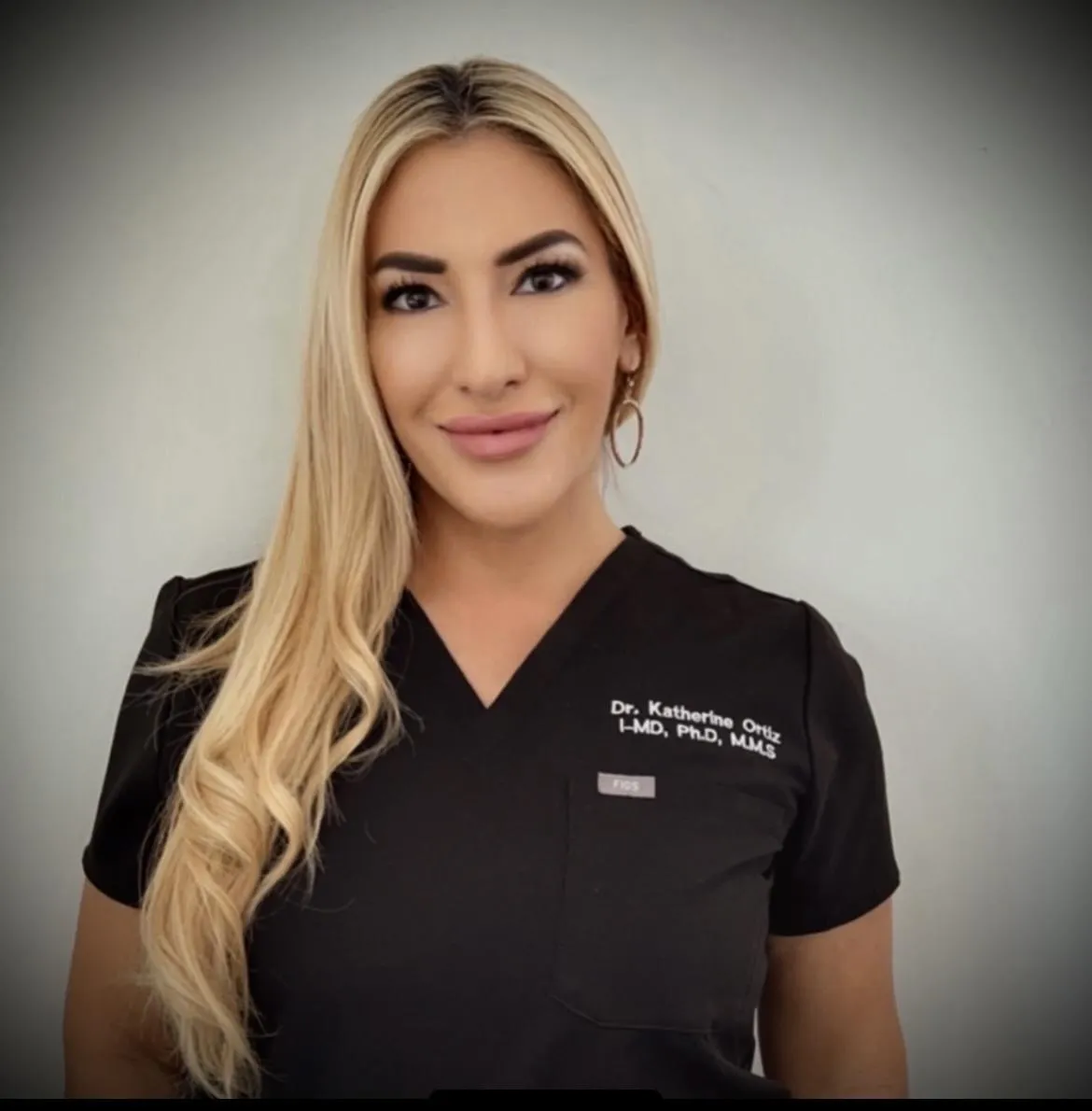
Meet Dr. Katherine Ortiz
Dr. Katherine Ortiz is the founder of DNA Wellness and Longevity Institute in Bonita Springs, FL. She is a board-certified Physician Associate and holds a Ph.D. in Integrative Medicine from Quantum University, with fellowship training through the American Academy of Anti-Aging Medicine (A4M) and the University of South Florida in functional and regenerative medicine.
Her practice is built on a foundational belief: that the body has an extraordinary capacity to heal and self-regulate when given the right support. Dr. Ortiz investigates root causes — hormonal imbalances, nutritional deficiencies, genetic factors — and builds individualized protocols designed to restore function and optimize long-term health.
Every protocol at DNA Wellness is ordered, reviewed, and monitored directly by Dr. Ortiz.


