
Hormone Therapy · Bonita Springs, Fl
Bioidentical Hormone Pellet Therapy in Bonita Springs, FL
Consistent, Physician-Supervised Hormone Delivery for Men & Women No Rollercoasters, No Daily Compliance
Hormone pellet therapy delivers bioidentical estradiol and/or testosterone through a small subcutaneous pellet — about the size of a grain of rice — inserted in the hip or upper buttock during a brief in-office procedure. Unlike creams, patches, or oral medications that produce peaks and valleys in hormone levels throughout the day, pellets release hormones steadily and continuously over 3–6 months, closely mimicking the body's own secretion pattern. Dr. Katherine Ortiz at DNA Wellness and Longevity Institute in Bonita Springs offers pellet therapy for both men and women as part of a comprehensive, lab-driven hormone optimization protocol.
Why patients choose us
FDA-Approved
All pellet therapy supervised by Dr. Katherine Ortiz, PA-C, Ph.D.
Lab-Based
Every pellet dose is customized from your current hormone panel not a standard dose
SW Florida
Serving Bonita Springs, Naples, Estero & Fort Myers
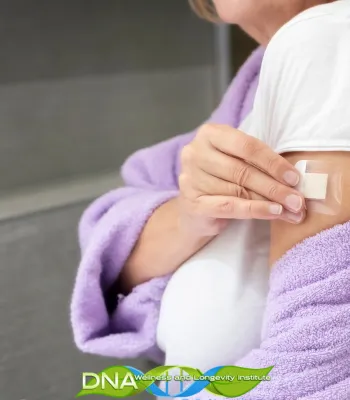
What Is Hormone Pellet Therapy?
How Pellets Deliver Consistent Hormone Levels
Bioidentical hormone pellets are small, custom-compounded cylinders containing hormones that are chemically identical to those your body produces — primarily estradiol (for women) and/or testosterone (for both men and women). They are manufactured by a licensed compounding pharmacy based on Dr. Ortiz's specific prescription for your individual hormone levels, symptoms, and health goals. Each pellet is inserted subcutaneously in the hip or upper buttock using a small trocar during a simple in-office procedure under local anesthesia — the entire insertion takes approximately 10–15 minutes.
Once in place, the pellet dissolves slowly through a process of natural absorption, releasing hormones at a rate that responds to your body's metabolic demand — including periods of physical activity, stress, and rest — more closely than any other delivery method. This is the key pharmacokinetic advantage of pellet therapy over creams, gels, patches, pills, or injections: those methods produce a single peak of hormone availability that rises and falls over hours or days. Pellets maintain a consistent physiological level throughout their 3–6 month lifespan, eliminating the hormonal fluctuations that drive mood swings, energy crashes, and symptom recurrence between doses.
A 2025 peer-reviewed comparison study published in North American Proceedings in Gynecology & Obstetrics found that subcutaneous pellet therapy dosed using the Biote® method resulted in meaningful symptomatic improvement of menopausal vasomotor symptoms and corresponding increases in serum estradiol and testosterone levels compared to compounded transdermal lotion HRT. Pellet therapy has been used in Europe and Australia since 1938 — it is not a novel or experimental approach, but a well-established delivery method that has gained significant traction in the US as physician training and compounding pharmacy standards have improved.
Every pellet at DNA Wellness is prescribed by Dr. Ortiz based on a full hormone panel — including estradiol, total and free testosterone, SHBG, DHEA-S, thyroid, and cortisol — drawn before each insertion cycle. No two pellets are the same dose, and the dose evolves with each cycle as Dr. Ortiz reviews your labs and symptoms at every follow-up.
How It Helps
What Hormone Pellet Therapy Can Address
For Women: Menopause, Energy & Vitality
The hormonal decline of perimenopause and menopause — declining estradiol, near-complete progesterone loss, and typically more than half of testosterone by age 45 — produces a constellation of symptoms that affect every dimension of life: hot flashes and night sweats, disrupted sleep, mood instability, brain fog, declining libido, vaginal dryness, weight redistribution, and reduced bone density. Pellet therapy addresses these systematically by restoring estradiol and testosterone to physiological levels that the ovaries can no longer maintain. A 2025 JAMA Neurology meta-analysis indicates that starting hormone therapy within five years of menopause can reduce Alzheimer's risk — adding a significant long-term neurological dimension to the case for timely hormone optimization. Bone density is also a critical consideration: pellet-delivered testosterone and estradiol support bone mineral density at a rate that oral estrogen alone does not match. The consistent delivery of pellets is particularly valuable for women who have experienced incomplete symptom relief or frustrating fluctuations with creams or patches.
For Men: Testosterone Optimization & Performance
Men begin losing testosterone at approximately 1–2% per year after age 30, with clinically significant low T (hypogonadism) affecting a substantial and growing proportion of men in their 40s and 50s. A 2024 report highlighting 11 studies on 24,000 men attributes low testosterone to the risk of strokes and a 60% higher risk of cardiovascular mortality than men with normal T levels. Symptoms of low testosterone in men include persistent fatigue, reduced muscle mass and recovery, increased abdominal fat, declining libido and erectile quality, poor sleep, mood changes, and reduced motivation and cognitive sharpness. Pellet therapy delivers testosterone subcutaneously at a consistent physiological level — avoiding the supraphysiologic peaks and subtherapeutic troughs that intramuscular injections can produce, and the compliance burden of daily topical application. For men who want TRT without the daily routine of gels or the mood variability of weekly injections, pellets represent a particularly well-suited delivery method.
Consistent Delivery — The Clinical Advantage
The core clinical argument for pellet therapy is pharmacokinetic consistency. Oral hormones are absorbed through the gut and processed by the liver on first pass — altering their metabolic profile and bioavailability. Transdermal creams and gels produce a daily peak and trough cycle tied to application timing, skin absorption variability, and transfer risk. Injections produce a supraphysiologic spike in the days following injection and fall to subtherapeutic levels by week's end. Pellets dissolve at a rate regulated partly by physical activity and metabolic demand — when you exercise, the pellet releases slightly more hormone in response to the increased blood flow around the insertion site, mimicking the body's natural feedback-driven secretion. The result is the most physiologically consistent hormone delivery available outside of the body's own endocrine system, with lab data showing sustained therapeutic levels throughout the pellet cycle rather than the rising and falling pattern of other methods.
Am I a Candidate?
Symptoms That May Indicate a Need for Hormone Optimization
Women experiencing any of the following may benefit from evaluation:
Hot flashes, night sweats, or disrupted sleep from perimenopausal or menopausal hormone shifts
Persistent fatigue or low energy despite adequate rest
Mood instability, anxiety, irritability, or depression that has worsened with age
Declining libido, reduced arousal, or vaginal dryness
Brain fog, difficulty concentrating, or memory changes
Unexplained weight gain, particularly around the abdomen
Loss of bone density, joint pain, or early osteoporosis
Men experiencing any of the following may benefit from evaluation:
Persistent fatigue or reduced stamina not explained by lifestyle
Reduced muscle mass, strength, or recovery capacity
Declining libido or erectile quality
Mood changes, irritability, or low motivation
Increased abdominal fat despite consistent activity
Poor sleep quality or difficulty staying asleep
Reduced mental sharpness, focus, or drive
Pellet therapy is most appropriate for patients with confirmed hormone deficiency on lab testing — Dr. Ortiz does not prescribe pellets based on symptoms alone. A comprehensive hormone panel is required before any pellet is prescribed, and the dose is determined by your labs, not by your symptoms or a standard protocol.
Your Journey
What To Expect with Dr Ortiz
Step 01 — Comprehensive Lab Evaluation & Consultation Your first appointment with Dr. Ortiz includes a full hormone panel — estradiol, total and free testosterone, SHBG, DHEA-S, TSH, free T3/T4, cortisol, CBC, and a comprehensive metabolic panel. For women, progesterone and FSH/LH are also evaluated. These labs establish your hormonal baseline and identify where deficiencies are driving your symptoms. Dr. Ortiz reviews the results with you in detail — explaining what each marker means, how it relates to your specific symptoms, and what the appropriate therapeutic target looks like for your age, health history, and goals. Patients with active hormone-sensitive cancers, certain clotting disorders, or untreated cardiovascular conditions are evaluated individually for candidacy before any prescription is issued.
Step 02 — Pellet Insertion Once your labs confirm candidacy and your dose is compounded by the pharmacy — typically 5–7 business days — you return for the insertion appointment. Dr. Ortiz numbs the hip or upper buttock with a local anesthetic, creates a small incision with a trocar, and inserts the pellet(s) into the subcutaneous tissue. The incision is closed with a small adhesive strip — no sutures needed. The entire procedure takes 10–15 minutes. You are advised to avoid vigorous lower-body exercise, swimming, and hot tubs for 5–7 days post-insertion to allow the incision to close properly. Most patients return to normal activity the same day; the insertion site is typically unnoticeable within a week.
Step 03 — Follow-Up, Re-Testing & Re-Pellet Cycle Follow-up labs are drawn at 4–6 weeks post-insertion to confirm that hormone levels have reached the target therapeutic range and that dosing is appropriate. At this appointment, Dr. Ortiz also reviews your symptom response — energy, sleep, mood, libido — and makes any dosing adjustments for your next cycle. Women typically re-pellet every 3–4 months; men typically re-pellet every 4–6 months, as the male pellet dose is generally higher and lasts longer. Over successive cycles, Dr. Ortiz fine-tunes your protocol based on cumulative lab data and symptom patterns — most patients reach their optimal dose by the second or third cycle.
Questions Answered
Frequently Asked Questions About Pellet Therapy
Q1: How is pellet therapy different from hormone creams, patches, or injections? Each hormone delivery method has a distinct pharmacokinetic profile — how the hormone enters the bloodstream and how levels fluctuate over time. Oral hormones are metabolized by the liver on first pass, altering their profile and increasing clotting and cardiovascular risk compared to non-oral delivery. Creams and gels produce a daily absorption peak tied to application timing and skin permeability, with transfer risk to partners and children. Injections (typically weekly or biweekly for testosterone) create a supraphysiologic spike in the days after injection and decline to near-subtherapeutic levels by the end of the cycle — many men describe mood and energy swings tied to this pattern. Pellets dissolve continuously over 3–6 months, releasing hormones at a consistent physiological rate that responds to metabolic demand. For patients who want stable levels without daily compliance or the cycling pattern of injections, pellets represent the most pharmacokinetically consistent option available.
Q2: Is pellet therapy safe? What are the risks? Pellet therapy using compounded bioidentical hormones is a widely practiced approach with a long clinical history — in use in Europe and Australia since 1938 and increasingly adopted in the US over the past two decades. As with any hormone therapy, appropriate dosing and monitoring are essential. The most common procedure-related concerns are minor: mild bruising, temporary discomfort, or rarely extrusion of the pellet from the insertion site. Dosing accuracy depends entirely on the quality of the compounding pharmacy and the clinical expertise of the prescribing physician — Dr. Ortiz uses established evidence-based dosing protocols and requires laboratory confirmation before every prescription. Systemic risks are those associated with hormone therapy generally — Dr. Ortiz conducts a thorough medical history and lab evaluation before prescribing pellets and reviews known contraindications including hormone-sensitive malignancy and certain cardiovascular conditions with every patient individually.
Q3: Can men use pellet therapy for testosterone replacement? Yes — pellet therapy is an effective and increasingly preferred testosterone replacement method for men with hypogonadism or clinically low testosterone. Male testosterone pellets are compounded at a higher dose than female pellets and typically last 4–6 months per cycle. Many men prefer pellets over weekly testosterone injections specifically because they eliminate the peak-and-trough cycling that some men find produces mood, energy, and libido variability between injection days. They also eliminate the daily application burden and transfer risk of gels and creams. Dr. Ortiz evaluates male candidacy through a full testosterone panel — total T, free T, SHBG, estradiol, LH, FSH — and designs the pellet dose based on your specific deficit and therapeutic goals.
Q4: How long until I feel results from pellet therapy? Most patients begin to notice improvements in energy, sleep quality, and mood within 2–4 weeks of insertion as hormone levels climb to therapeutic range. Libido improvements typically follow at 4–6 weeks. Full symptom resolution — including body composition changes, cognitive clarity, and physical stamina — develops over 2–3 months as the body adapts to consistent hormone availability. Some patients notice a brief period of increased symptom intensity in the first 1–2 weeks post-insertion as hormone levels rise rapidly; this typically resolves as levels stabilize. Follow-up labs at 4–6 weeks allow Dr. Ortiz to confirm that levels have reached the appropriate therapeutic window and identify any dosing refinement needed.
Q5: Is bioidentical hormone pellet therapy available in Bonita Springs and Southwest Florida? Yes. DNA Wellness and Longevity Institute, located at 26800 S Tamiami Trail, Suite 380 in Bonita Springs, offers bioidentical hormone pellet therapy for both men and women under the direct supervision of Dr. Katherine Ortiz. The clinic serves patients throughout Bonita Springs, Naples, Estero, Fort Myers, and surrounding Southwest Florida communities. Call (239) 250-7930 to schedule your hormone evaluation and consultation.
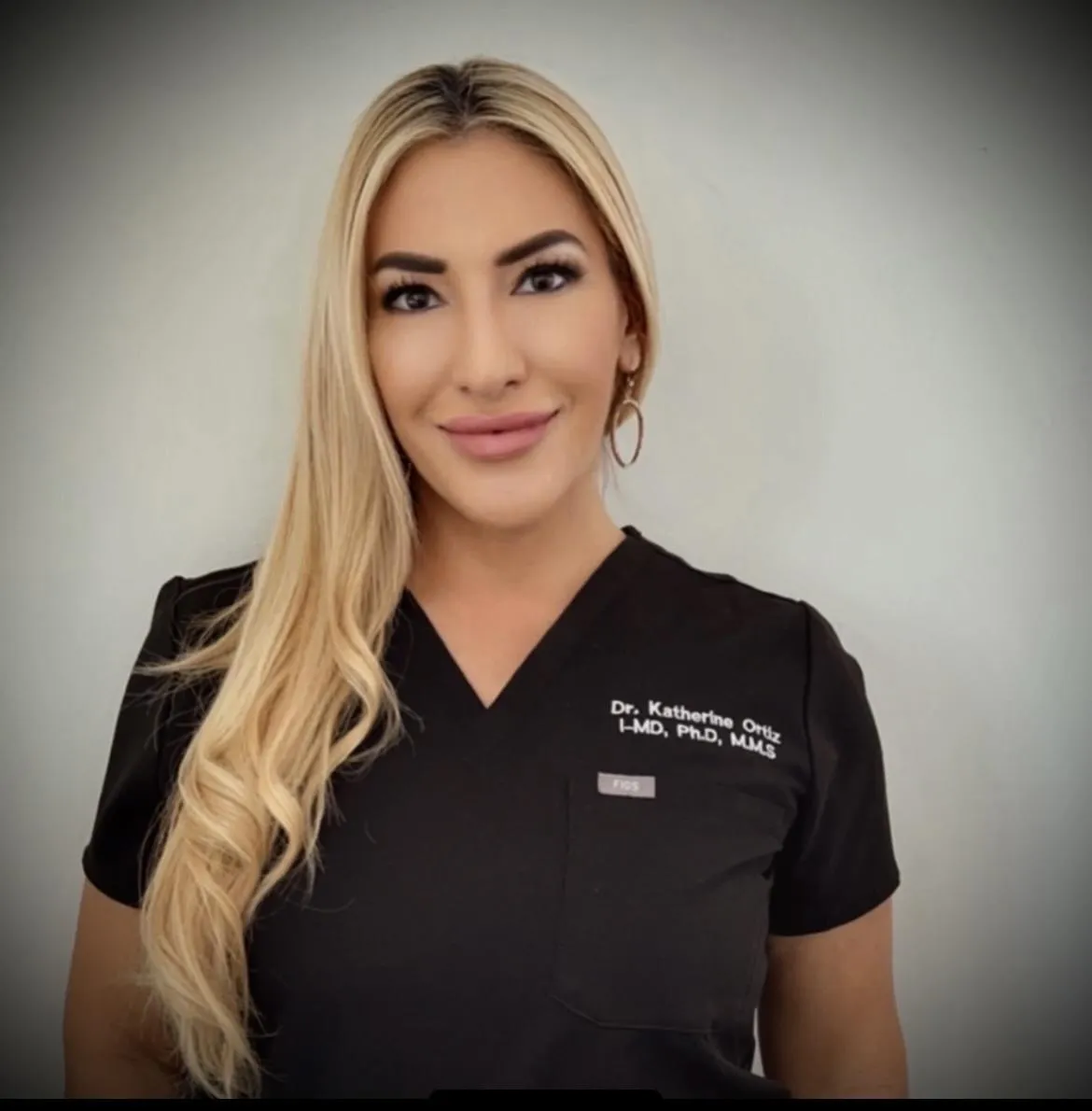
Meet Dr. Katherine Ortiz
Dr. Katherine Ortiz is the founder of DNA Wellness and Longevity Institute in Bonita Springs, FL. She is a board-certified Physician Associate and holds a Ph.D. in Integrative Medicine from Quantum University, with fellowship training through the American Academy of Anti-Aging Medicine (A4M) and the University of South Florida in functional and regenerative medicine.
Her practice is built on a foundational belief: that the body has an extraordinary capacity to heal and self-regulate when given the right support. Dr. Ortiz investigates root causes — hormonal imbalances, nutritional deficiencies, genetic factors — and builds individualized protocols designed to restore function and optimize long-term health.
Every protocol at DNA Wellness is ordered, reviewed, and monitored directly by Dr. Ortiz.


