
Weight Management · Bonita Springs, Fl
Medical Weight Loss in Bonita Springs, FL
Physician-Supervised Weight Management That Treats the Root Cause
If you've struggled to lose weight despite eating healthier and exercising, the problem may not be your effort. Weight gain is often influenced by hormone imbalances, insulin resistance, thyroid dysfunction, chronic inflammation, nutritional deficiencies, poor sleep, elevated stress hormones, and age-related metabolic changes that affect how your body regulates energy and stores fat.
At DNA Wellness & Longevity Institute, Dr. Katherine Ortiz provides physician-supervised weight loss management through comprehensive medical evaluations and personalized treatment plans designed around your unique biology. Rather than relying on a single solution, we identify the underlying factors contributing to weight gain and develop a strategy that supports healthy metabolism, preserves lean muscle, reduces excess body fat, and promotes sustainable long-term results.
Depending on your evaluation, your personalized program may include GLP-1 Weight Loss Medications, Bioidentical Hormone Therapy, Peptide Therapy, Advanced Nutritional Testing, lipotropic fat-burning injections, targeted supplementation, nutrition counseling, and lifestyle coaching to help you achieve your health goals safely and effectively.
Why patients choose us
Physician-Led
All weight management programs supervised by Dr. Katherine Ortiz, PA-C, Ph.D.
Root-Cause First
Labs identify why your body is holding weight before any treatment is prescribed
SW Florida
Serving Bonita Springs, Naples, Estero & Fort Myers
Why Medical Weight Loss Works
What Makes Physician-Supervised Weight Management Different

Successful weight management requires more than simply eating less or exercising more. Hormones, metabolism, insulin sensitivity, muscle mass, stress, sleep quality, nutritional status, and chronic inflammation all influence how efficiently your body burns calories and regulates body fat. When these systems are out of balance, traditional diet programs often produce temporary results because they fail to address the underlying causes.
Our physician-supervised approach begins with a comprehensive evaluation to understand how your body is functioning before recommending treatment. Using advanced laboratory testing, medical history, body composition, and lifestyle assessment, we create a personalized plan that targets the biological barriers preventing long-term success.
Rather than offering the same program to every patient, we combine evidence-based therapies based on your individual needs. Your treatment plan may include GLP-1 medications, hormone optimization, peptide therapy, nutritional support, metabolic testing, and ongoing medical supervision to help improve metabolism, protect lean muscle, reduce excess body fat, and support lasting weight management.
Our goal is not simply helping you lose weight—it's improving your overall metabolic health so you can maintain your results, reduce your risk of chronic disease, and build healthier habits that last for years.
Our Weight Management Services
Choose the Right Approach for Your Situation
GLP-1 Medications (Semaglutide & Tirzepatide)
The most clinically significant pharmacologic advance in obesity medicine. Semaglutide (Wegovy®/Ozempic®) and Tirzepatide (Zepbound®/Mounjaro®) produce average weight losses of 15–21% of body weight by suppressing appetite through GLP-1 and GIP receptor pathways — with additional benefits for insulin sensitivity, cardiovascular risk, and metabolic health. Prescribed and monitored by Dr. Ortiz following comprehensive lab-based candidacy evaluation. CTA: Learn More About GLP-1 Medications → Link: /medical-weight-loss
Lipotropic Fat Burning Injections
Intramuscular lipotropic injections combining MIC (Methionine, Inositol, Choline), B12, B6, B-Complex, Folic Acid, and Vitamin C to support hepatic fat metabolism, cellular energy production, and nutritional status during active weight management. A supportive tool that optimizes the biochemical environment of active fat loss — most effective as a complement to GLP-1 therapy or an active dietary program. CTA: Learn More About Fat Burning Injections → Link: /fat-burning-injections
Nutritional Supplements
DNA Wellness offers a curated selection of physician-quality nutritional supplements to support metabolic health, energy production, gut function, and the nutritional demands of active weight management available through the clinic's online supplement store.
Beyond GLP-1
Other Clinical Tools That Support Weight Management
For patients whose weight management needs go beyond GLP-1 medication, or who want a comprehensive metabolic optimization approach alongside their primary weight loss program, DNA Wellness offers:
Hormone optimization: Testosterone replacement for men with confirmed low T, bioidentical estrogen and progesterone for women in perimenopause or menopause — addressing the hormonal environment that governs body composition, muscle maintenance, and fat distribution.
Metabolic peptides: MOTS-C for AMPK-mediated improvement in insulin sensitivity and fat oxidation — particularly relevant for patients with significant insulin resistance or metabolic syndrome alongside their weight management program. Tesamorelin for visceral fat reduction in patients with significant abdominal adiposity.
IV nutrient therapy: Sports Recovery and Weight Loss IV formulations providing metabolic support, liver health nutrients, and B-vitamin replenishment during active caloric restriction.
Specialty testing: DUTCH hormone testing, intracellular micronutrient panels, and genetic testing to identify the specific metabolic and hormonal contributors to weight resistance.
Why Most Programs Fail
The Biological Barriers to Weight Loss That Standard Programs Miss
Before Dr. Ortiz prescribes any weight loss intervention, she evaluates the specific physiological factors that determine how your body responds to caloric deficit and fat oxidation. The lab panel for weight management evaluation includes:
Metabolic and insulin markers: Fasting glucose, fasting insulin, HOMA-IR (insulin resistance index), and HbA1c establish whether insulin resistance is present — the most common and most underdiagnosed barrier to fat loss. A patient with significant insulin resistance cannot efficiently access stored fat for fuel regardless of how well they eat or how consistently they train. Addressing insulin resistance — through dietary approach, medication, or GLP-1 therapy — is the prerequisite for everything else.
Thyroid function: TSH, free T3, free T4, and reverse T3. Subclinical hypothyroidism — thyroid function technically within the reference range but at the lower edge — significantly reduces metabolic rate and promotes weight gain. Standard thyroid panels (TSH only) miss patients with impaired T4-to-T3 conversion who have normal TSH but functionally low active thyroid hormone.
Sex hormones: Total and free testosterone, estradiol, SHBG, progesterone (women), and DHEA-S. Testosterone deficiency in men and estrogen/progesterone imbalance in women directly drive abdominal fat accumulation and muscle loss — the combination that produces the body composition changes most patients want to reverse. Hormone optimization alongside weight management produces meaningfully better body composition outcomes than weight loss intervention alone.
Adrenal and cortisol function: Cortisol assessment identifies adrenal dysregulation — the pattern of elevated cortisol from chronic stress that drives visceral fat deposition, muscle catabolism, insulin resistance, and sleep disruption. Elevated cortisol is one of the most common and most underaddressed drivers of abdominal obesity.
Lipids and liver function: A complete lipid panel and liver enzymes (ALT/AST) establish cardiovascular and metabolic baseline and identify fatty liver disease — which impairs hepatic fat metabolism and frequently drives the resistance to fat loss that frustrates patients who are eating correctly and exercising consistently.
Questions Answered
Frequently Asked Questions About Medical Weight Loss
Q1: Why have I tried so many diets and failed? Is there a medical reason? Frequently yes — and identifying it is the purpose of the metabolic evaluation Dr. Ortiz performs before prescribing anything. The most common medical contributors to diet-resistant weight are: insulin resistance (the most prevalent, making fat cells resistant to releasing stored fat); hypothyroidism or impaired thyroid hormone conversion (reducing metabolic rate); testosterone deficiency in men and estrogen/progesterone imbalance in women (driving abdominal fat and muscle loss); elevated cortisol from chronic stress (promoting visceral fat deposition); and nutritional deficiencies that impair cellular fat metabolism. Any one of these makes standard caloric restriction ineffective. Finding which ones are present — and addressing them — is what medical weight management does that a diet cannot.
Q2: Do I have to take GLP-1 medications, or are there other options? No — GLP-1 medications are one tool in the weight management protocol, not a requirement. They are the most effective pharmacologic option currently available for significant weight loss, and Dr. Ortiz recommends them where they are clinically appropriate and the patient wants them. For patients who are not candidates (due to contraindications or personal preference), or who want to start with hormonal optimization, metabolic peptides, lipotropic support, and nutritional intervention, Dr. Ortiz designs a protocol around those tools. The right approach depends entirely on your clinical picture and your goals.
Q3: What is the role of hormone optimization in weight loss? Significant. Testosterone in men and estrogen/progesterone in women directly govern body composition — muscle-to-fat ratio, fat distribution, metabolic rate, and insulin sensitivity. A man losing weight with testosterone deficiency will lose disproportionately more muscle than fat, undermining his body composition goals. A woman in perimenopause or menopause is losing estrogen that previously protected against visceral fat accumulation and supported lean muscle mass. Addressing these hormonal contributors alongside a weight loss program consistently produces better body composition outcomes than weight loss intervention alone. Dr. Ortiz evaluates sex hormones as part of every weight management workup.
Q4: How much weight can I expect to lose? This depends heavily on the specific interventions, your starting metabolic state, and your adherence to the lifestyle components of the program. With GLP-1 medications (Semaglutide or Tirzepatide), clinical trial averages are 15% and up to 21% of body weight respectively over 12–18 months — with individual variation ranging from minimal response to greater than 25% loss at the highest doses. Without GLP-1 medications, outcomes vary based on which metabolic barriers are identified and how effectively they can be addressed. Dr. Ortiz sets realistic expectations at your consultation based on your specific evaluation findings — not population averages applied without context.
Q5: Is physician-supervised medical weight loss available in Bonita Springs and Southwest Florida? Yes. DNA Wellness and Longevity Institute, located at 26800 S Tamiami Trail, Suite 380 in Bonita Springs, offers comprehensive physician-supervised medical weight management — including GLP-1 medications, lipotropic injections, hormone optimization, and metabolic testing — for patients throughout Bonita Springs, Naples, Estero, Fort Myers, and surrounding Southwest Florida communities. Call (239) 250-7930 to schedule your weight loss consultation with Dr. Ortiz.
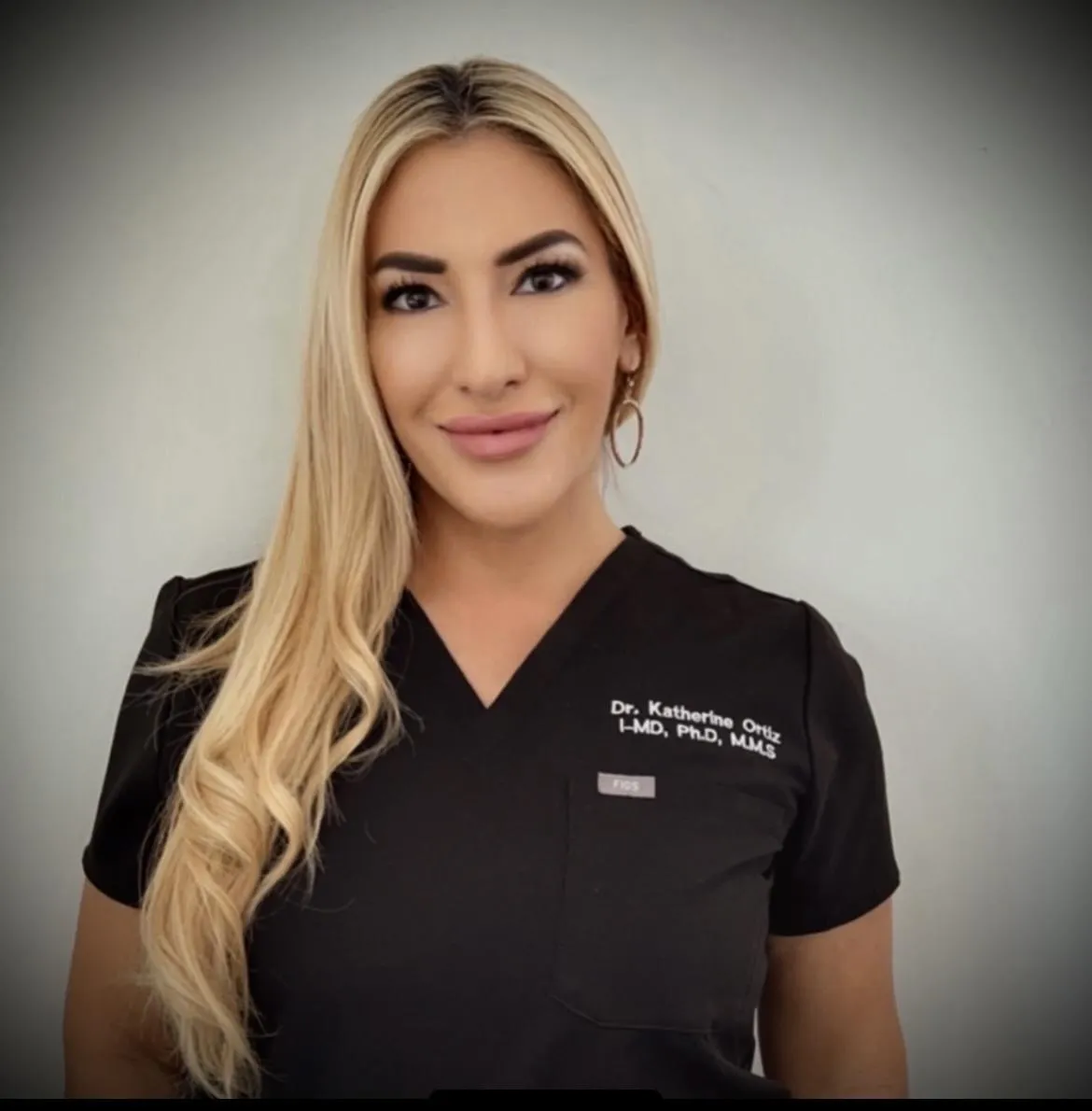
Meet Dr. Katherine Ortiz
Dr. Katherine Ortiz is the founder of DNA Wellness and Longevity Institute in Bonita Springs, FL. She is a board-certified Physician Associate and holds a Ph.D. in Integrative Medicine from Quantum University, with fellowship training through the American Academy of Anti-Aging Medicine (A4M) and the University of South Florida in functional and regenerative medicine.
Her practice is built on a foundational belief: that the body has an extraordinary capacity to heal and self-regulate when given the right support. Dr. Ortiz investigates root causes — hormonal imbalances, nutritional deficiencies, genetic factors — and builds individualized protocols designed to restore function and optimize long-term health.
Every protocol at DNA Wellness is ordered, reviewed, and monitored directly by Dr. Ortiz.
Related Weightloss Therapies
GLP1 Weight Loss - Learn how Semaglutide and Tirzepatide help regulate appetite and support sustainable weight loss.
Hormone Therapy - Hormonal imbalances can make losing weight more difficult despite healthy habits.
Peptide Therapy - Support metabolism, recovery, and body composition with targeted peptide therapy.
Nutritional Testing - Uncover nutritional deficiencies and metabolic markers that may affect weight loss.
Genetic Testing - Identify inherited factors that influence metabolism, nutrition, and weight management.


