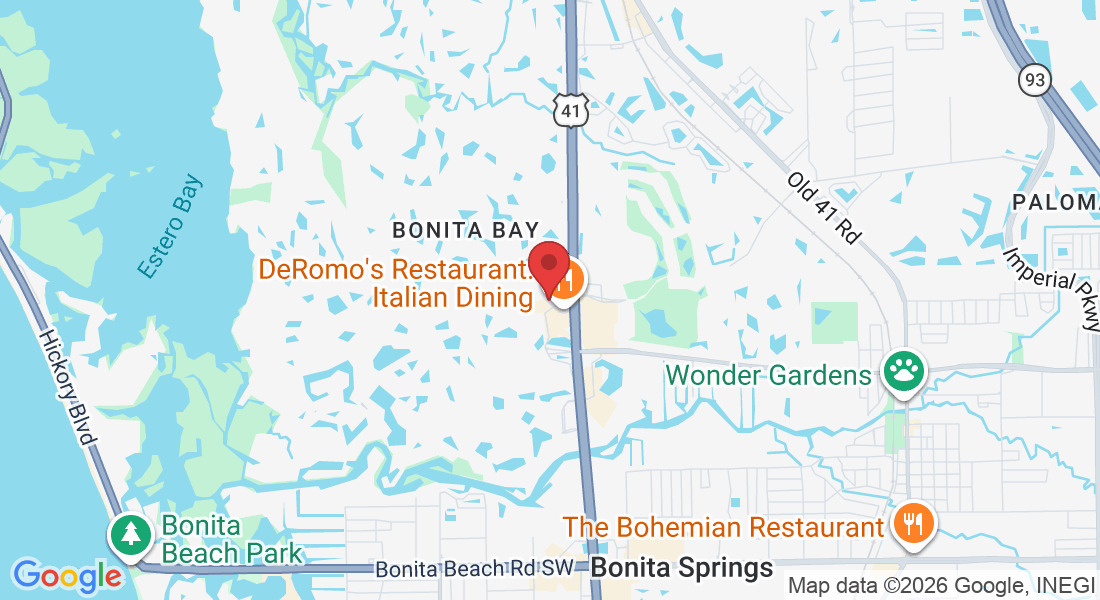
Weight Management · Bonita Springs, Fl
Fat Burning Injections in Bonita Springs, FL
Physician-Supervised Lipotropic Injections — MIC, B Vitamins & Metabolic Support
Lipotropic injections — commonly called fat burning shots — combine methionine, inositol, choline (MIC), and essential B vitamins in a single intramuscular injection that supports your liver's ability to process and export fat, enhances cellular energy production, and provides the nutritional building blocks that a caloric deficit and active metabolism demand. At DNA Wellness and Longevity Institute in Bonita Springs, Dr. Katherine Ortiz incorporates lipotropic injections as a supportive tool within physician-supervised weight management protocols — designed to complement, not replace, the dietary and lifestyle changes that produce lasting results.
Why patients choose us
Physician-Led
All protocols supervised by Dr. Katherine Ortiz, PA-C, Ph.D.
Complement, Not Replace
Lipotropic injections support active weight management programs
SW Florida
Serving Bonita Springs, Naples, Estero & Fort Myers

What Are Lipotropic Injections?
How MIC + B Vitamins Support Fat Metabolism
Lipotropic injections deliver a combination of compounds that support the liver's ability to process and mobilize fat — the organ responsible for metabolizing the majority of dietary fat and stored body fat before it can be used as fuel or excreted. "Lipotropic" literally means fat-moving: these compounds facilitate the transport and export of fat from the liver, preventing the fatty accumulation that impairs liver function and slows metabolism over time.
The core MIC components each serve a distinct biological role. Methionine is an essential amino acid that acts as a lipotropic agent — it donates methyl groups in the methylation cycle, which is required for the synthesis of choline and the processing of fats in the liver. Inositol is a B-vitamin-like compound involved in fat metabolism and insulin signaling — it improves insulin sensitivity and plays a role in the redistribution of fat from storage to oxidation. Choline is essential for the production of phosphatidylcholine, the primary component of the very-low-density lipoprotein (VLDL) particles that transport fat out of the liver. Without adequate choline, fat accumulates in the liver — a condition that underlies non-alcoholic fatty liver disease (NAFLD) and impairs the liver's metabolic efficiency.
The B vitamin components of the injection support energy production at the cellular level — B12 and B6 are critical cofactors in the mitochondrial pathways that convert nutrients into ATP, the energy currency your cells use for every metabolic process. Folic acid supports cell division and the methylation cycle that methionine depends on. Vitamin C provides antioxidant support during active fat mobilization, when oxidative metabolites are generated. Together, these compounds create a nutritional environment that supports the biochemistry of active fat metabolism — particularly relevant during a caloric deficit, when cellular demand for these cofactors is highest.
Intramuscular injection bypasses the digestive tract entirely, achieving 100% bioavailability — meaning all of these compounds reach the bloodstream intact, unlike oral supplements that are partially broken down and inconsistently absorbed through the gut.
What's In the Shot
The Complete Fat Burning Injection Formula
MIC (Methionine, Inositol, Choline Bitartrate): The core lipotropic complex. Methionine supplies methyl groups for fat processing; inositol improves insulin sensitivity and fat mobilization; choline is essential for the VLDL particles that transport fat out of the liver and prevents hepatic fat accumulation that blunts metabolic function.
Vitamin B12 (Methylcobalamin): The formulation uses methylcobalamin — the activated, bioavailable form of B12 — rather than cyanocobalamin. B12 is essential for red blood cell production, neurological function, and mitochondrial energy metabolism. Deficiency, which is common in active weight loss programs, causes fatigue that is frequently mistaken for a side effect of caloric restriction rather than a correctable nutritional gap.
Vitamin B6 (Pyridoxine): A cofactor in over 100 enzymatic reactions involving amino acid metabolism, neurotransmitter synthesis (serotonin, dopamine), and energy production. B6 supports the breakdown of stored glycogen and regulates homocysteine — an inflammatory metabolite elevated in states of nutritional stress and poor methylation.
B-Complex (B1, B2, B3, B5): The full B-complex supports the cellular machinery of energy production — the citric acid cycle and electron transport chain that mitochondria use to generate ATP from fat, protein, and carbohydrate fuel. B vitamins are water-soluble and depleted rapidly during periods of caloric restriction, metabolic demand, and physical activity. Replacing them via injection ensures cellular energy production isn't rate-limited by nutritional deficiency.
Folic Acid: Essential for DNA synthesis, cell division, and the methylation cycle that allows methionine to function as a lipotropic agent. Folic acid deficiency
impairs cellular reproduction and the processing of homocysteine — a cardiovascular risk factor that is frequently elevated in individuals with poor nutritional status.
Vitamin C (Ascorbic Acid): A potent antioxidant that supports immune function and protects cells from oxidative stress generated during active fat oxidation and metabolic demand. Vitamin C is also a required cofactor for carnitine synthesis — the molecule that transports fatty acids into mitochondria for oxidation, making it directly relevant to fat burning at the cellular level.
How It Helps
What Lipotropic Injections Support
Metabolic Support & Liver Function
The liver is the metabolic engine of fat processing — and its efficiency is a primary determinant of how quickly and effectively the body can mobilize stored fat. When the liver accumulates fat (as it does when choline is deficient, when calories are restricted rapidly, or when alcohol and processed food have created hepatic stress), its metabolic output drops, fat export slows, and the entire energy-generating system underperforms. MIC compounds directly address this by providing the nutrients the liver needs to export fat efficiently. For patients on active weight management programs — particularly those using GLP-1 agonists, low-calorie diets, or intermittent fasting protocols — lipotropic injections provide the hepatic nutritional support that optimizes the fat processing the program is designed to produce.
A Supportive Tool, Not a Standalone Solution
Lipotropic injections are a metabolic support tool, not a weight loss treatment in isolation. They do not produce fat loss independently of caloric deficit and physical activity — no injection does. What they do is optimize the biochemical environment in which your weight management program operates: supporting the liver's fat processing capacity, filling the nutritional gaps that caloric restriction creates, and providing the cellular energy cofactors that keep metabolic rate from declining during weight loss. At DNA Wellness, Dr. Ortiz is transparent about this distinction at every consultation — lipotropic injections are offered as part of a comprehensive weight management protocol that addresses the full clinical picture, not as a quick fix.
Energy, Mood & Cognitive Support
One of the most common challenges during active caloric restriction is the fatigue, brain fog, and mood instability that accompany a caloric deficit — especially in the first 4–6 weeks. These symptoms are frequently nutritional in origin: B12, B6, and B-complex deficiencies impair mitochondrial energy production and neurotransmitter synthesis simultaneously. Lipotropic injections deliver these cofactors at 100% bioavailability, bypassing the digestive absorption variability that oral B vitamins encounter. Most patients notice a meaningful improvement in energy and mental clarity within 24–48 hours of their first injection — a response that motivates continued compliance with the lifestyle changes that produce lasting weight loss.
Is It Right for You?
Who Benefits From Lipotropic Injections
Lipotropic injections are appropriate as a supportive component for patients who are actively engaged in a weight management program and want nutritional support for the metabolic demands of that effort.
You may benefit if you are:
Currently following a structured weight loss program (caloric deficit, low-carb, intermittent fasting, or physician-supervised protocol)
Experiencing fatigue or brain fog during active caloric restriction
On a GLP-1 agonist or advanced weight loss medication program and want complementary metabolic support
Managing suspected fatty liver or sluggish liver function alongside weight management
An active adult with high training volume whose B vitamin and MIC status may be depleted by metabolic demand
Looking to support energy levels and mood stability during a weight loss phase
Lipotropic injections are not appropriate as:
A substitute for dietary change and physical activity
A standalone weight loss treatment without concurrent lifestyle modification
A solution for obesity requiring medically supervised GLP-1 or bariatric intervention — in these cases, Dr. Ortiz recommends the Advanced Weight Loss or medical weight management program

Questions Answered
Frequently Asked Questions About Fat Burning Injections
Q1: Will fat burning injections alone make me lose weight? No — and this is the most important thing to understand before starting. Lipotropic injections support the metabolic environment in which weight loss occurs; they do not produce fat loss independently. Weight loss requires a caloric deficit — consuming less energy than you expend — and no injection changes that fundamental biology. What lipotropic injections do is optimize the liver's ability to process and export fat during a deficit, replace the B vitamins that caloric restriction and metabolic demand deplete, and support the energy and cognitive function that make maintaining a dietary and lifestyle program more sustainable. They are a supportive tool that makes your weight management effort more effective — not a substitute for it.
Q2: What does MIC stand for and what does each component do? MIC stands for Methionine, Inositol, and Choline — the three core lipotropic compounds in the injection. Methionine is an essential amino acid that donates methyl groups in the liver's fat processing pathways. Inositol is a B-vitamin-like compound that improves insulin sensitivity and supports the redistribution of fat from storage to oxidation. Choline is essential for producing the VLDL lipoprotein particles that transport fat out of the liver — without adequate choline, fat accumulates in the liver, impairing its metabolic function and potentially contributing to non-alcoholic fatty liver disease. Together, the three compounds address different stages of the hepatic fat processing pathway.
Q3: How is intramuscular injection better than taking these vitamins orally? Oral supplements must survive stomach acid, be absorbed through the gut lining, and pass through first-pass liver metabolism before reaching systemic circulation — a process that can reduce effective bioavailability to 20–50% depending on the compound, the individual's gut health, and their digestive transit time. Intramuscular injection delivers compounds directly into the muscle, from which they are absorbed into systemic circulation at close to 100% bioavailability — the same reason that B12 deficiency in patients with poor gut absorption is treated with injection rather than oral supplementation. For patients on active weight loss programs with high metabolic demand, this difference in absorption efficiency is clinically meaningful.
Q4: Can I get fat burning injections while on Semaglutide (Ozempic/Wegovy) or Tirzepatide? Yes — lipotropic injections are frequently used as a complement to GLP-1 agonist therapy. GLP-1 medications reduce appetite and caloric intake significantly; lipotropic injections support the liver function and B vitamin status that can become depleted during rapid weight loss on these medications. There are no known pharmacological interactions between MIC compounds and GLP-1 agonists. If you are on a GLP-1 or GLP-1/GIP agonist program, discuss with Dr. Ortiz whether lipotropic injections are an appropriate complement for your specific protocol and nutritional status.
Q5: Are fat burning injections available in Bonita Springs and Southwest Florida? Yes. DNA Wellness and Longevity Institute, located at 26800 S Tamiami Trail, Suite 380 in Bonita Springs, offers lipotropic fat burning injections under the supervision of Dr. Katherine Ortiz. The clinic serves patients throughout Bonita Springs, Naples, Estero, Fort Myers, and surrounding Southwest Florida communities. Call (239) 250-7930 to schedule your consultation.

Meet Dr. Katherine Ortiz
Dr. Katherine Ortiz is the founder of DNA Wellness and Longevity Institute in Bonita Springs, FL. She is a board-certified Physician Associate and holds a Ph.D. in Integrative Medicine from Quantum University, with fellowship training through the American Academy of Anti-Aging Medicine (A4M) and the University of South Florida in functional and regenerative medicine.
Her practice is built on a foundational belief: that the body has an extraordinary capacity to heal and self-regulate when given the right support. Dr. Ortiz investigates root causes — hormonal imbalances, nutritional deficiencies, genetic factors — and builds individualized protocols designed to restore function and optimize long-term health.
Every protocol at DNA Wellness is ordered, reviewed, and monitored directly by Dr. Ortiz.