
Peptide Therapy · Bonita Springs, Fl
BPC-157 Peptide Therapy in Bonita Springs, FL
A Naturally Occurring Regenerative Peptide — Under Active Clinical Evaluation
BPC-157 is a 15-amino-acid peptide derived from a protective protein found naturally in human gastric juice, studied extensively for its ability to support gut healing, tissue repair, tendon and ligament recovery, and systemic anti-inflammatory modulation. Dr. Katherine Ortiz at DNA Wellness and Longevity Institute follows BPC-157's clinical research and evolving regulatory status closely — and is preparing to incorporate it into her regenerative protocols as compounding access is restored through the ongoing FDA review process.
Why patients choose us
Physician-Led
All protocols supervised by
Dr. Katherine Ortiz I-MD, Ph.D., PA-C, M.M.S., ABAAHP
Lab-Based
Protocol built from your bloodwork, not a template
SW Florida
Serving Bonita Springs, Naples, Estero & Fort Myers
Treatment Overview
BPC-157 Therapy
Physician-Supervised
Naturally Derived from Gastric Protein
150+ Preclinical Studies
✓ FDA Review: July 2026
Bonita Springs, FL
What Is BPC-157?
How Peptide Therapy BPC-157 Works
As part of our Peptide Therapy in Bonita Springs program, BPC-157 peptide therapy may be used to support tissue repair, recovery, connective tissue health, and the body's natural healing processes. BPC-157 (Body Protection Compound-157) is a synthetic pentadecapeptide — a chain of 15 amino acids — derived from a naturally occurring protective protein found in human gastric juice. Unlike most peptides that are entirely synthetic, BPC-157 is a fragment of a protein your body already produces as part of its gastrointestinal mucosal protection system. This origin is also what gives it remarkable oral stability: unlike most peptides that are degraded in the digestive tract, BPC-157 survives gastric acid and can exert its effects directly on intestinal tissue when taken orally — making it uniquely suited to gut-directed applications.
Its mechanisms of action are unusually broad. BPC-157 promotes angiogenesis through the VEGFR2-Akt-eNOS signaling pathway — stimulating the formation of new blood vessels that deliver oxygen and nutrients to damaged tissue. It activates the FAK-paxillin pathway, which drives fibroblast migration and collagen synthesis — the structural rebuilding process in tendons, ligaments, and connective tissue. It modulates pro-inflammatory cytokine signaling to reduce chronic inflammation without suppressing the beneficial acute immune response. And it has demonstrated neuroprotective properties, influencing dopamine and serotonin signaling in ways that may support mood and cognitive resilience alongside physical recovery.
Over 150 preclinical studies across rats and other animal models have documented BPC-157's effects on gastric ulcers, tendon and ligament healing, muscle repair, bone healing, gut fistulas, inflammatory bowel disease, liver injury, and neurological applications. A 2025 systematic review in the HSS Journal screened 544 BPC-157 articles and found consistent functional and structural improvements across 35 preclinical musculoskeletal studies — making it one of the most extensively studied preclinical peptides in regenerative medicine. Human clinical trial data remains limited but is the focus of ongoing regulatory evaluation.
BPC-157 was removed from the FDA's restricted compounding list in April 2026. A Pharmacy Compounding Advisory Committee (PCAC) review is scheduled for July 23–24, 2026, to evaluate BPC-157 for the approved compounding list — primarily for inflammatory bowel applications. Dr. Ortiz is monitoring this process and will offer BPC-157 as part of her regenerative protocols as soon as compounding access is legally confirmed. Patients interested in BPC-157 are invited to join the interest list below.
How It Helps
Potential Benefits of BPC-157 Therapy
Gut Healing & Gastrointestinal Protection
BPC-157's most replicated and mechanistically robust finding — documented across dozens of studies since 1993 — is its cytoprotective effect on the gastrointestinal tract. It protects and heals the gastric and intestinal mucosal lining from injury caused by NSAIDs, ethanol, stress, and inflammatory disease. Preclinical studies demonstrate healing of gastric ulcers, intestinal fistulas, and anastomotic sites, as well as meaningful anti-inflammatory effects in models of inflammatory bowel disease including Crohn's disease and ulcerative colitis. Critically, BPC-157 survives oral ingestion intact — meaning it can be taken by mouth and act directly on gut tissue, which is pharmacologically unusual for a peptide. This property is precisely why ulcerative colitis is the primary proposed indication driving its current FDA compounding review.
Tendon, Ligament & Musculoskeletal Repair
BPC-157 has been studied extensively in animal models for musculoskeletal applications — including Achilles tendon rupture, rotator cuff injury, ACL and MCL tears, muscle strains, and bone healing. A 2025 systematic review published in the HSS Journal found consistent improvements in functional, structural, and biomechanical outcomes across 35 preclinical musculoskeletal studies. The mechanism involves both localized fibroblast stimulation — accelerating collagen production at the injury site — and angiogenesis that improves vascular delivery to healing tissue. BPC-157 operates primarily at the site of administration and nearby tissue, making it complementary to TB-500, which distributes systemically. When combined in what patient communities call the "Wolverine Stack," the two address both local structural repair and systemic tissue mobilization simultaneously.
Anti-Inflammatory & Systemic Tissue Protection
Beyond its localized repair effects, BPC-157 has demonstrated systemic protective properties across multiple organ systems in preclinical research — including liver protection from toxic stress, neuroprotection through modulation of dopamine and serotonin signaling, cardiovascular cytoprotection following ischemic injury, and systemic anti-inflammatory activity that reduces chronic cytokine burden without broad immune suppression. A 2025 literature and patent review catalogued effects across 12 organ systems, describing the preclinical evidence base as "unprecedented for a single peptide." For patients managing chronic inflammation alongside musculoskeletal or gut conditions, this systemic dimension — if confirmed in human trials — would position BPC-157 as one of the most versatile regenerative peptides available.
Your Journey
What To Expect with Dr Ortiz
Step 01 — The FDA Review (July 23–24, 2026) The FDA's Pharmacy Compounding Advisory Committee is scheduled to review BPC-157 on July 23–24, 2026 — evaluating whether it should be added to the list of substances approved for compounding at licensed U.S. pharmacies. The primary proposed indication driving the review is ulcerative colitis, supported by BPC-157's extensive gastrointestinal preclinical data and the peptide's unique ability to remain stable through oral delivery. The outcome of this review will determine whether U.S. clinics can legally prescribe compounded BPC-157 to patients. If approved, compounding access would be restored — likely within weeks of a positive PCAC recommendation.
Step 02 — How to Join the Interest List Patients interested in BPC-157 can join the DNA Wellness interest list today. When compounding access is restored, Dr. Ortiz will reach out to interest list patients in order — beginning with those whose clinical profiles align most closely with the primary indications (gut healing, musculoskeletal injury, post-surgical recovery). Joining the list also gives Dr. Ortiz's team the opportunity to begin a preliminary intake assessment so that your protocol can be built quickly when access opens. Call (239) 250-7930 or use the consultation form below to be added.
Step 03 — What Your Protocol Will Look Like When BPC-157 becomes prescribable, Dr. Ortiz will evaluate each patient through a full clinical consultation — reviewing your specific gut, musculoskeletal, or inflammatory picture and determining the appropriate delivery form (oral capsule for gut applications, injectable for systemic musculoskeletal use), dosing, and duration. For most patients, BPC-157 will be integrated into a broader regenerative protocol alongside complementary therapies already available at DNA Wellness — including TB-500, PRP, IV nutrient therapy, and hormone optimization. The clinical goal is never a single peptide in isolation but a coordinated protocol built around your biology.
Questions Answered
Frequently Asked Questions About BPC-157 Therapy
Q1: Can I get BPC-157 from DNA Wellness right now? Not yet — and Dr. Ortiz is committed to transparency on this point. BPC-157 was classified by the FDA as a Category 2 substance in 2023, which prohibited compounding pharmacies from producing it for human dispensing. The FDA removed it from the Category 2 restricted list in April 2026, and a formal committee review (PCAC) is scheduled for July 23–24, 2026 to evaluate it for the approved compounding list. Until that review results in a positive determination, BPC-157 cannot be legally compounded and prescribed by U.S. clinics. Dr. Ortiz is monitoring the process closely and will incorporate BPC-157 into her protocols as soon as it is legally compoundable. Patients can join the interest list now to be notified immediately.
Q2: What makes BPC-157 different from TB-500? Both are regenerative peptides used in recovery protocols, but they have different origins, mechanisms, and primary strengths. BPC-157 is derived from a protein naturally found in human gastric juice — giving it unusual oral stability and direct gut-healing properties. Its action is primarily localized: it stimulates fibroblasts and collagen synthesis at or near the site of injury or administration, making it highly targeted. TB-500 is a synthetic fragment of Thymosin Beta-4 and works systemically — it distributes broadly through the body, mobilizing repair cells and supporting angiogenesis across multiple tissue types simultaneously. For musculoskeletal recovery, the two are frequently combined for complementary local and systemic effect. For gut-directed applications, BPC-157 is the more directly relevant therapy.
Q3: How strong is the evidence for BPC-157? BPC-157 has one of the largest preclinical evidence bases of any research-stage peptide — over 150 published animal studies across gastric, musculoskeletal, neurological, cardiovascular, and hepatic applications. A 2025 systematic review screened 544 published BPC-157 articles and found consistent structural and functional improvements across 35 preclinical musculoskeletal studies. However, large-scale randomized controlled trials in humans are still absent — this is the critical gap, and it is why BPC-157 is currently undergoing FDA regulatory review rather than holding an approved indication. Dr. Ortiz's position is that the mechanistic rationale is sound and the preclinical evidence is compelling, but the honest clinical characterization is "one of the most promising research-stage regenerative peptides available" — not a proven human therapy.
Q4: What will BPC-157 be used for at DNA Wellness when it becomes available? Dr. Ortiz anticipates using BPC-157 primarily for: gut healing and mucosal restoration in patients managing inflammatory bowel conditions (ulcerative colitis, Crohn's disease, leaky gut, IBS); musculoskeletal injury recovery from tendon, ligament, and muscle injuries — frequently in combination with TB-500; post-surgical healing support following orthopedic procedures; and as part of broader anti-inflammatory and regenerative longevity protocols. Oral BPC-157 will likely be the preferred form for gut-directed applications; injectable for musculoskeletal use.
Q5: How do I get on the BPC-157 interest list at DNA Wellness? Call (239) 250-7930 or use the consultation booking form on this page and mention BPC-157 in your reason for contact. Dr. Ortiz's team will add you to the interest list and, where appropriate, begin a preliminary intake assessment so your protocol can be built efficiently when compounding access is restored. Patients on the interest list will be contacted as soon as BPC-157 becomes prescribable at DNA Wellness.
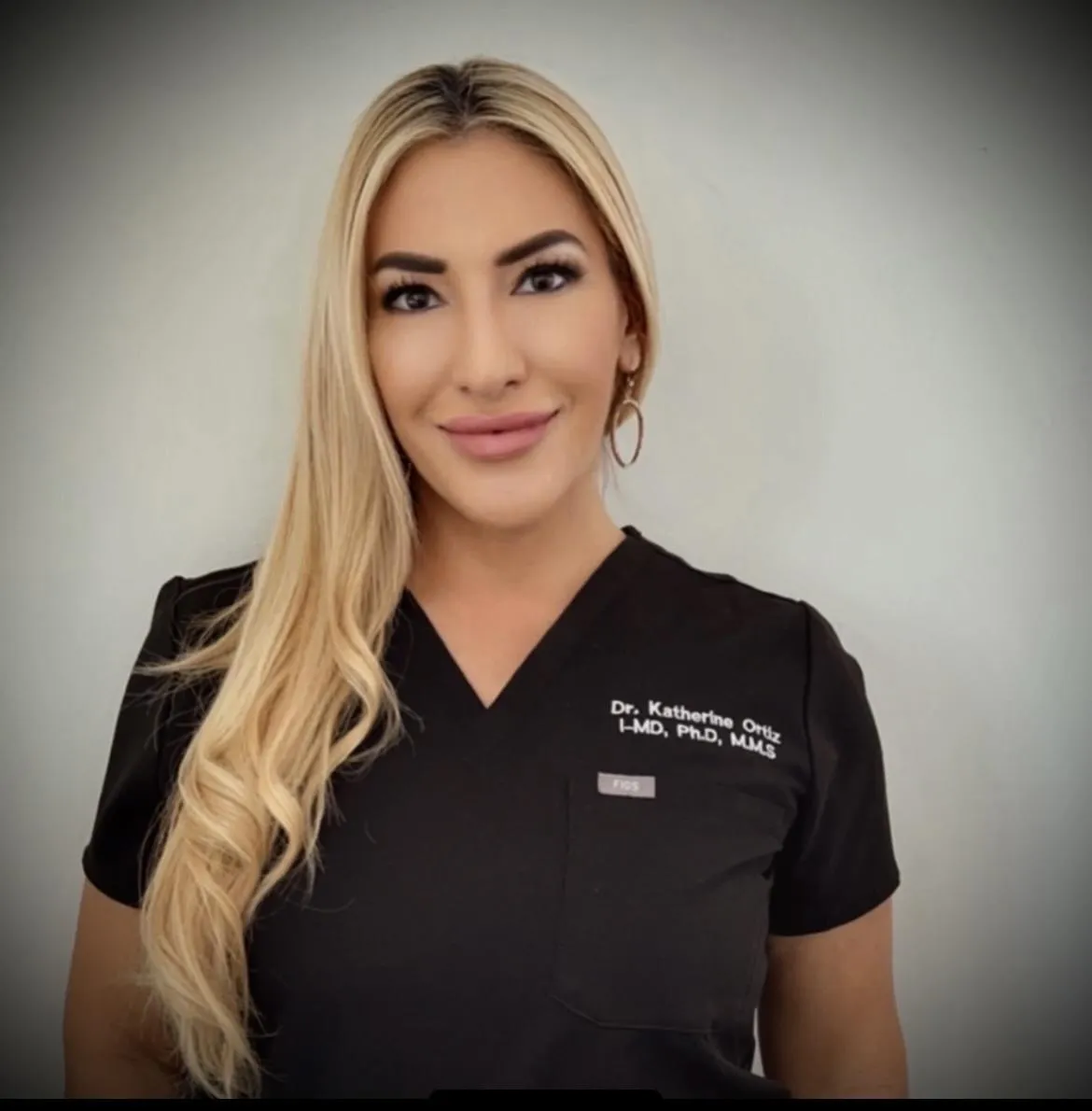
Meet Dr. Katherine Ortiz
Dr. Katherine Ortiz is the founder of DNA Wellness and Longevity Institute in Bonita Springs, FL. She is a board-certified Physician Associate and holds a Ph.D. in Integrative Medicine from Quantum University, with fellowship training through the American Academy of Anti-Aging Medicine (A4M) and the University of South Florida in functional and regenerative medicine.
Her practice is built on a foundational belief: that the body has an extraordinary capacity to heal and self-regulate when given the right support. Dr. Ortiz investigates root causes — hormonal imbalances, nutritional deficiencies, genetic factors — and builds individualized protocols designed to restore function and optimize long-term health.
Every protocol at DNA Wellness is ordered, reviewed, and monitored directly by Dr. Ortiz.
Interested in BPC-157? Join the Interest List Today.
DNA Wellness and Longevity Institute is preparing to offer BPC-157 as part of Dr. Ortiz's regenerative protocols as soon as compounding access is legally restored — anticipated following the FDA's PCAC committee review in July 2026. Join the interest list now and be among the first patients contacted when BPC-157 becomes prescribable at the clinic.


